
Here's the thing about inflammation: it doesn't announce itself.
It doesn't arrive with a diagnosis or a dramatic moment. It shows up as the 2pm fog that used to be focus. The morning stiffness that takes twenty minutes to walk off. The low-grade irritability that you've started blaming on the news. The sleep that should be restorative and somehow isn't.
Chronic inflammation is the body's alarm system stuck in the on position — a quiet, accumulated wrongness that doesn't feel like a medical event because it isn't one. Not yet. It's the upstream condition behind most of what we consider aging, metabolic decline, and general deterioration. And unlike a lot of things that are bad for you, it's meaningfully responsive to what you do every day.
1. Eat Like Inflammation Is Your Enemy (Because It Is)
The standard American diet — processed food, refined carbs, industrial seed oils — is, functionally, an inflammatory diet. The reversal isn't complicated. Omega-3 fatty acids (salmon, sardines, walnuts, flaxseed) actively counter inflammatory pathways. Leafy greens carry antioxidants that reduce oxidative stress. Berries, olive oil, turmeric, green tea. You've heard this list. The list is correct.
The single highest-leverage change for most people: cut added sugar. Sugar spikes blood glucose, which triggers inflammatory cytokine production. You don't have to overhaul everything at once. Add one anti-inflammatory food per meal before you start subtracting anything. That's a sustainable entry point.
2. Move Every Day — Not Hard, Just Consistently
Sedentary behavior has an independent, measurable inflammatory effect. Six or more hours of sitting elevates inflammatory markers whether you went to the gym that morning or not. The fix isn't aggressive. A twenty-minute brisk walk triggers an anti-inflammatory response. Five moderate walks a week will do more for your inflammation levels than one punishing gym session followed by five days of inertia.
Stack your movement onto something that already happens. Friction is the enemy of consistency. Remove friction.
3. Protect Your Sleep Like It's Doing Something (It Is)
Sleep is when the body clears inflammatory debris. While you're unconscious, your lymphatic system flushes inflammatory byproducts, your immune system recalibrates, and the hormonal machinery that regulates inflammation resets.
Fewer than seven hours per night measurably elevates C-reactive protein and interleukin-6 — two primary markers of systemic inflammation — not gradually, but within two or three nights. Eight hours is the target. Quality matters as much as quantity.
4. Take Stress Seriously as a Physical Variable
Chronic stress is probably the most under-credited driver of systemic inflammation, partly because it's invisible and partly because we've collectively decided that being stressed is just what adults do. Long-term, immune cells become desensitized to cortisol's signal and begin producing inflammatory cytokines unchecked. Five minutes of slow breathing with an extended exhale activates the parasympathetic nervous system and measurably lowers cortisol within minutes. That's not a metaphor.
5. Reconsider Your Relationship With Alcohol
Alcohol metabolizes into acetaldehyde — a toxic compound that triggers an immediate immune response. Regular drinking promotes intestinal permeability, which allows bacterial endotoxins into the bloodstream and keeps the inflammatory response running. A 2021 review found that even low-to-moderate consumption was associated with elevated inflammatory markers.
6. Try Full-Spectrum CBD — Consistently
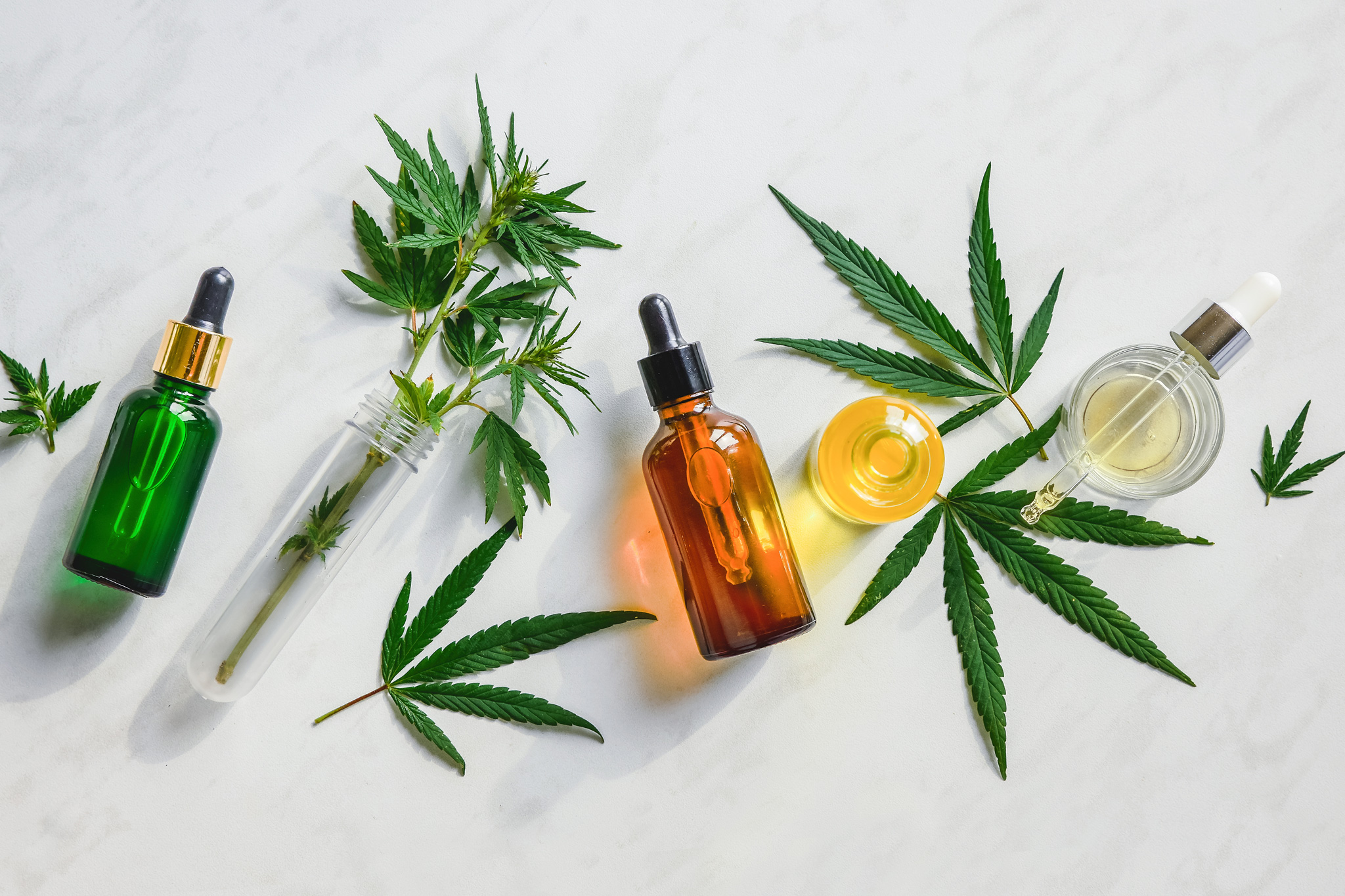
Your endocannabinoid system is directly involved in regulating immune function and inflammatory response. CB2 receptors, found throughout immune tissue, act as modulators — signaling immune cells to ramp up or stand down. Full-spectrum CBD appears to support this regulation in ways isolate doesn't fully replicate. The minor cannabinoids and terpenes present in whole-plant extracts interact with CB2 receptors and other receptor systems, creating a synergistic effect that single-molecule products can't produce.
The caveat that matters: it only works if you take it consistently. CBD isn't ibuprofen — it supports the system that regulates inflammation over time. Daily use is the mechanism.
7. Cold Exposure (Yes, It Works — Unfortunately)
Brief cold exposure triggers a hormetic response — a short-term stress that ultimately strengthens regulatory systems. It reduces inflammatory cytokines, boosts norepinephrine (which carries anti-inflammatory properties), and activates the vagus nerve. You don't need a tub. Ending your morning shower with 30-60 seconds of cold water is a meaningful stimulus. Start with 15 seconds and add 5 per week.
8. Intermittent Fasting (Done Reasonably)
A 16:8 eating window produces measurable reductions in inflammatory markers through autophagy — a cellular cleanup process that ramps up during fasting, clearing damaged cells and inflammatory debris. Finish eating at 7pm, eat again at 11am. Start with just the window before you change what goes in it.
9. Drink More Water Than You Think You Need
Chronic mild dehydration triggers a low-level stress response. The kidneys retain sodium to compensate, which influences inflammatory signaling. Dehydration also impairs lymphatic flow — the drainage system that clears inflammatory waste from tissues. 80-100 oz per day is a reasonable target. The simplest signal: consistently pale yellow urine.
10. Replace Seed Oils With Better Fats
Industrial seed oils are high in linoleic acid. The ancestral human diet had an omega-6 to omega-3 ratio of roughly 4:1. The modern diet commonly runs 20:1 or higher. At that ratio, linoleic acid gets incorporated into cell membranes where it oxidizes easily. Oxidized LDL is a key driver of arterial inflammation. Replacing seed oils with olive oil, avocado oil, or butter brings the ratio back toward a range your body handles well.
Start With Three
You don't need to adopt all ten of these at once. Trying to would likely result in adopting none of them. Pick three that feel most accessible. Do them for two weeks. Add one. The power here isn't in any single habit — it's in the accumulation. Small, consistent shifts across sleep, movement, diet, and supplementation produce results you can feel.
That's how you feel better already.