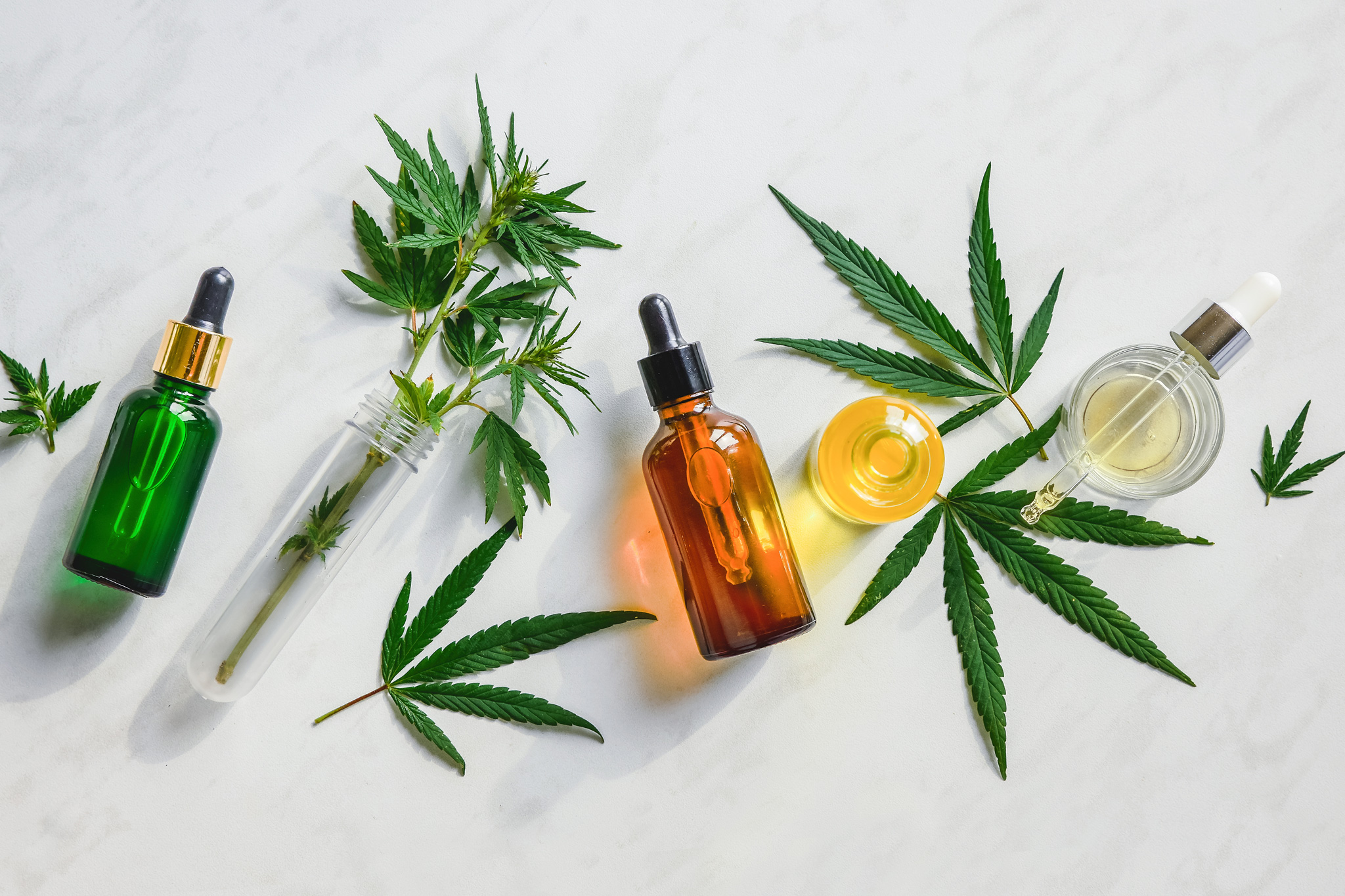

There is a cabinet in my bathroom that tells on me. It contains, at last count: a bag of lion's mane mushroom powder, two different magnesium formulations, a bottle of full-spectrum CBD softgels, some kind of methylated B-complex I bought after a late-night YouTube spiral, and something labeled "adrenal support" that I'm pretty sure I've opened once. On my desk sits a gratitude journal — partially used, as all gratitude journals are. Somewhere in my garage is a cold plunge tub that I use with the frequency and reluctance of someone doing court-ordered community service.
I am, by most definitions, a wellness person. I track my sleep. I think about inflammation. I have opinions about seed oils that I mostly keep to myself at dinner parties.
I am also, by most definitions, deeply skeptical of most wellness. The industry is enormous, aggressive, and has a spectacular talent for making you feel like you're one supplement away from becoming your best self. Some of what it sells is legitimately useful. Most of it is expensive theater. The hard part is figuring out which is which. I've been attempting to figure that out for about a decade. I have some notes.
The Hype Wall of Shame
Intermittent fasting was, for a solid two years, the answer to everything. Cellular autophagy! Fat adaptation! Ancient wisdom! I did 16:8 for about eight months and mostly what I learned is that I am not a person who should be asked to make complex decisions at 11:45am. The eating window was fine. The twenty minutes before the eating window opened was a different situation entirely — a frantic, irrational countdown that ended with me eating half a rotisserie chicken over the sink at 12:01pm, which I do not believe is what the longevity researchers had in mind.
The standing desk arrived with great fanfare. I assembled it myself, which took three hours and left me with a slight twitch. I stood at it for maybe two weeks before it became an extremely expensive surface for holding charging cables, a water bottle, and a jacket I keep meaning to return. I now sit at it, like a person.
Meditation apps are the wellness world's version of a gym membership: full of good intentions, gradually weaponized against you. After about two weeks of inconsistency, these apps start sending notifications that read, in essence, "You haven't meditated in 5 days. How is that going for you?" Which is not a soothing thing to receive at 7am. The gamification of inner peace — streaks, badges, gentle shame — is perhaps the least Buddhist thing I can imagine.
Chlorophyll water had a moment. That moment has passed. It turned my teeth slightly gray.
The carnivore diet, which I attempted briefly and will never discuss in detail with my cardiologist, left me feeling like I was slowly becoming jerky. Meat is fine. Only meat, forever, as a philosophy, is a different proposition.
The Real Ones
Here is the list that's shorter and less exciting and more true.
Sleep consistency is, I've come to believe, the single highest-leverage thing a human being can do for their health, and it costs exactly nothing. Not more sleep — consistent sleep. Same bedtime, same wake time, weekends included. I resisted this for years because it sounds like something a very boring person says, and I was right, and it changed my life more than anything else on this entire list.
Cutting alcohol — or even just reducing it meaningfully — is the wellness intervention that nobody wants to talk about because it's not fun to talk about. I'm not sober. I'm just less not-sober than I used to be. The sleep improvement alone was immediate and significant. The ambient anxiety that I'd spent years managing with supplements had, it turned out, a significant dietary source.
Daily movement — not intense, not optimized, not tracked obsessively — just consistent, every-day, non-negotiable movement. A walk. Twenty minutes of something. This compounds in a way that three intense gym sessions a week, followed by four days of inertia, simply does not.
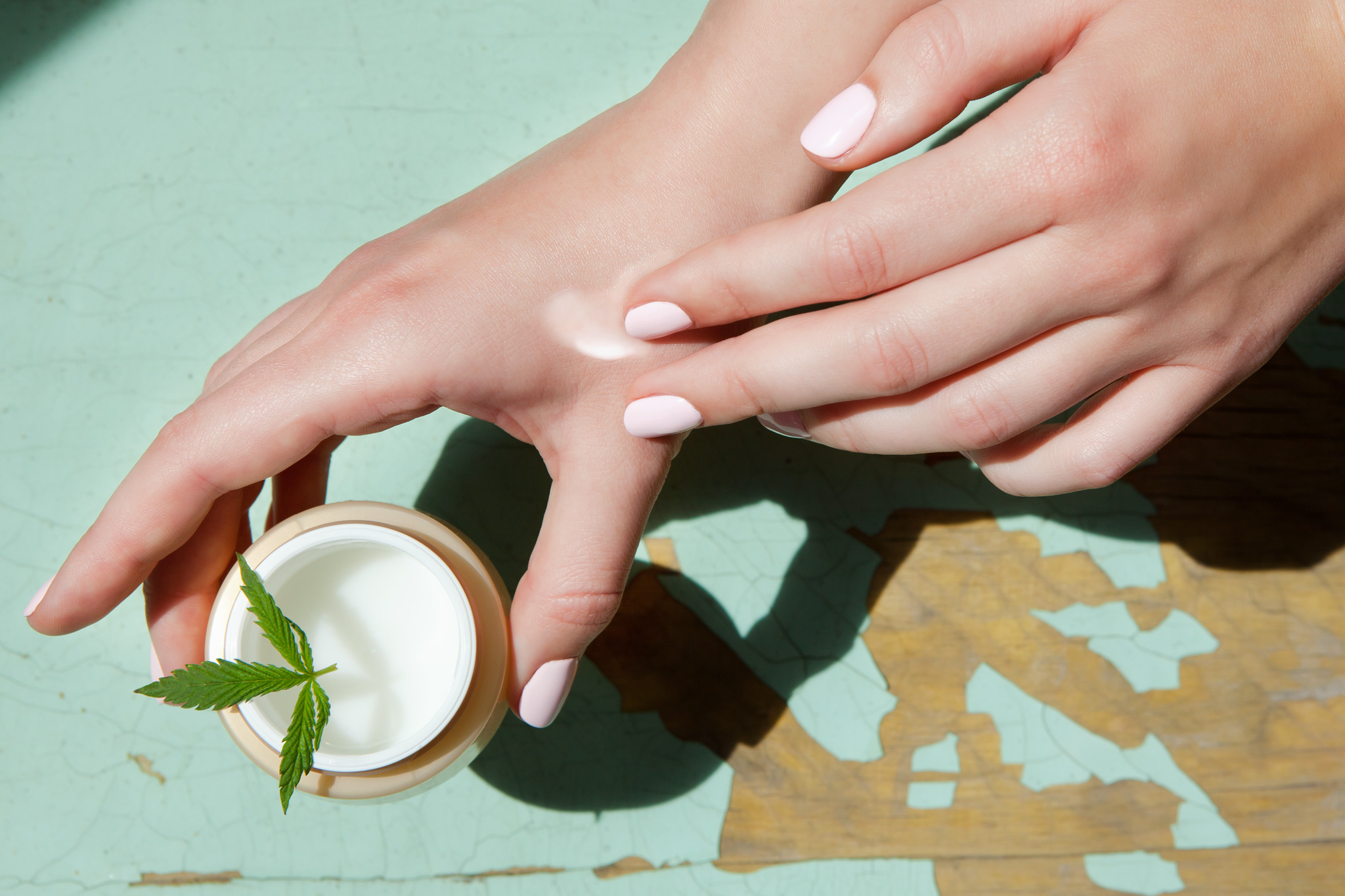
CBD, specifically full-spectrum CBD taken daily, made the shortlist because it earns it. I was skeptical for a long time — the space is crowded with marketing and under-regulated products and a lot of noise. But a quality daily supplement, taken consistently, does something real and quiet: it helps manage baseline inflammation, it supports sleep onset without sedation, and it seems to take the edge off the kind of low-grade physical tension that accumulates if you are a person with a body and a life. It's not a transformation. It's more like a reliable, unglamorous support structure that does its job without asking for your attention. That's rare in wellness.
Cold exposure — specifically, actual cold plunge immersion, not a cold shower — I will begrudgingly admit works. I hate this. I wanted it to be hype. The data on acute stress response, the mood improvement that follows, the legitimate effect on recovery — it's real. I still only get in twice a week, at best. But when I get in, the rest of the day is noticeably different.
The Lesson
The throughline here is almost insulting in its simplicity: the things that work aren't the things being sold to you.
Sleep consistency: free. Daily movement: free. Drinking less alcohol: costs you nothing, saves you money. Cold exposure: requires an investment if you want a tub, but a cold lake works fine. A quality daily CBD supplement: genuinely affordable if you buy from a reputable source and treat it like the foundational supplement it is rather than a luxury.
The wellness industrial complex has a complicated relationship with boring. Boring doesn't move units. So instead, we get the chlorophyll water and the app with the shame notifications and the standing desk that becomes a shelf. The next thing is never the thing. The thing is the thing you already know, that you've probably been told, that isn't very interesting — and that actually works.
I still have the lion's mane powder. I'm not ready to admit defeat on that one. But the gratitude journal can go.