
It started with my back.
Not dramatically — no sudden pop, no emergency room, nothing that makes a good story. Just a Tuesday morning, sitting on the edge of the bed, and a dull, specific ache that announced itself with the quiet authority of something that was not going to leave by noon. I'd slept wrong. Or sat wrong. Or existed in a body for four-plus decades wrong. My back had decided that now was the time to file a formal complaint, and it was doing so in the language of a low, persistent throb that followed me to the coffee maker, through my morning routine, and into the first two hours of my workday.
I am not old. I want to be very clear about this. I am in the middle portion of my life, a fact that I find both reassuring and quietly unsettling. But I am also, increasingly, a person who has to think about certain things I did not previously have to think about. Recovery. Sleep quality. Joint health. The difference between "tired" and "genuinely depleted." These things require a level of conscious maintenance that my twenty-six-year-old self — who could eat a gas station sandwich at midnight and sprint up stairs the next morning — would find deeply confusing.
What Actually Changes
Here's what nobody tells you plainly, so I will: your body's margin for error shrinks as you get older, and the things that were always true about health — sleep, movement, food quality, stress — become less optional. They were always important. Now their absence is simply more legible.
Recovery takes longer. This is the big one. One bad night of sleep used to mean a slightly groggy morning. Now it can mean two days of suboptimal everything. A hard workout followed by poor rest followed by a stressful week used to roll off me. Now it stacks, and the stacking shows up as inflammation, brain fog, or that particular variety of exhaustion that feels more like depletion than tiredness.
Inflammation is a more present concept in your forties than your thirties. It's there in the stiffness when you first stand up, in the slightly longer time it takes to feel normal after a few days of poor food and poor sleep. None of this is catastrophic. All of it is manageable, with intentional habits.
What Gets Better
I want to be careful not to write this section like a consolation prize, because it isn't one.
You know yourself. This is not a small thing. By your forties, you have accumulated enough data on yourself — what you like, what depletes you, what energizes you, what kinds of people are worth your time — that a lot of the guessing is over. This feels like freedom, and I believe it is.
The FOMO calculates differently. Somewhere in my late thirties I noticed that declining an invitation had begun to feel like a gift rather than a failure. The fear of missing out requires a certain belief that whatever you're missing is better than what you're doing — and that belief quietly weakens as you get older, in the best way. The event you skipped was fine. Your couch was also fine. These are equally valid options.
Emotional regulation improves, not because you become a more serene person necessarily, but because you have context. You've been upset before and survived it. You've had bad weeks that resolved. Over time this builds a certain resilience — not invincibility, but a calibrated confidence that the emotional weather is not permanent.
The Maintenance Era
There's a reframe I've found genuinely useful: getting older doesn't mean declining. It means entering the maintenance era — a period in which your body rewards investment more directly and punishes neglect more immediately than it used to.
Investment looks like daily movement. Not optimization — just consistent, everyday, non-negotiable movement that keeps your joints mobile and your energy stable. It looks like actual sleep, protected sleep, sleep you take seriously as a performance input. It looks like real food, mostly, not as a moral position but as a functional one.
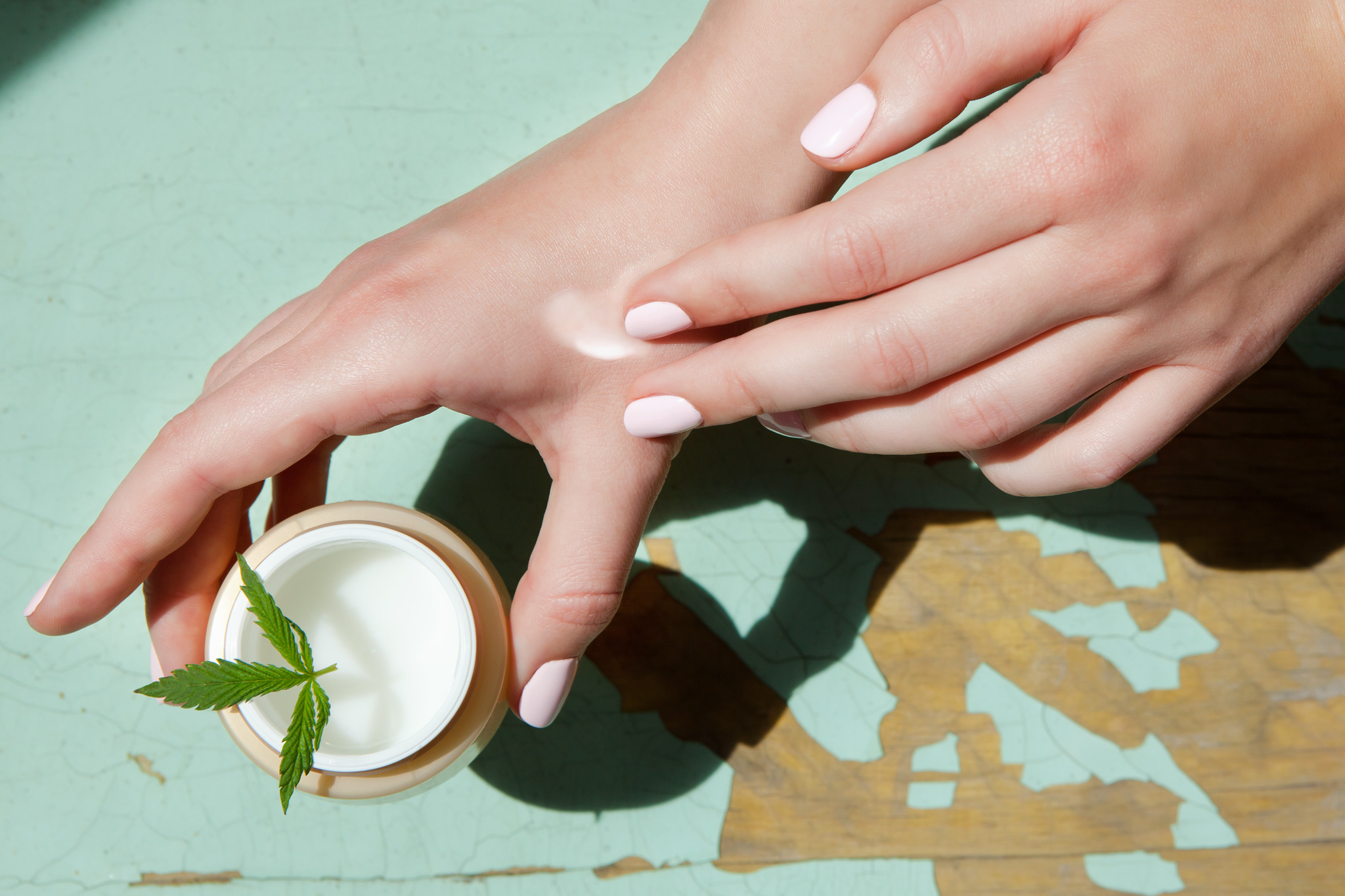
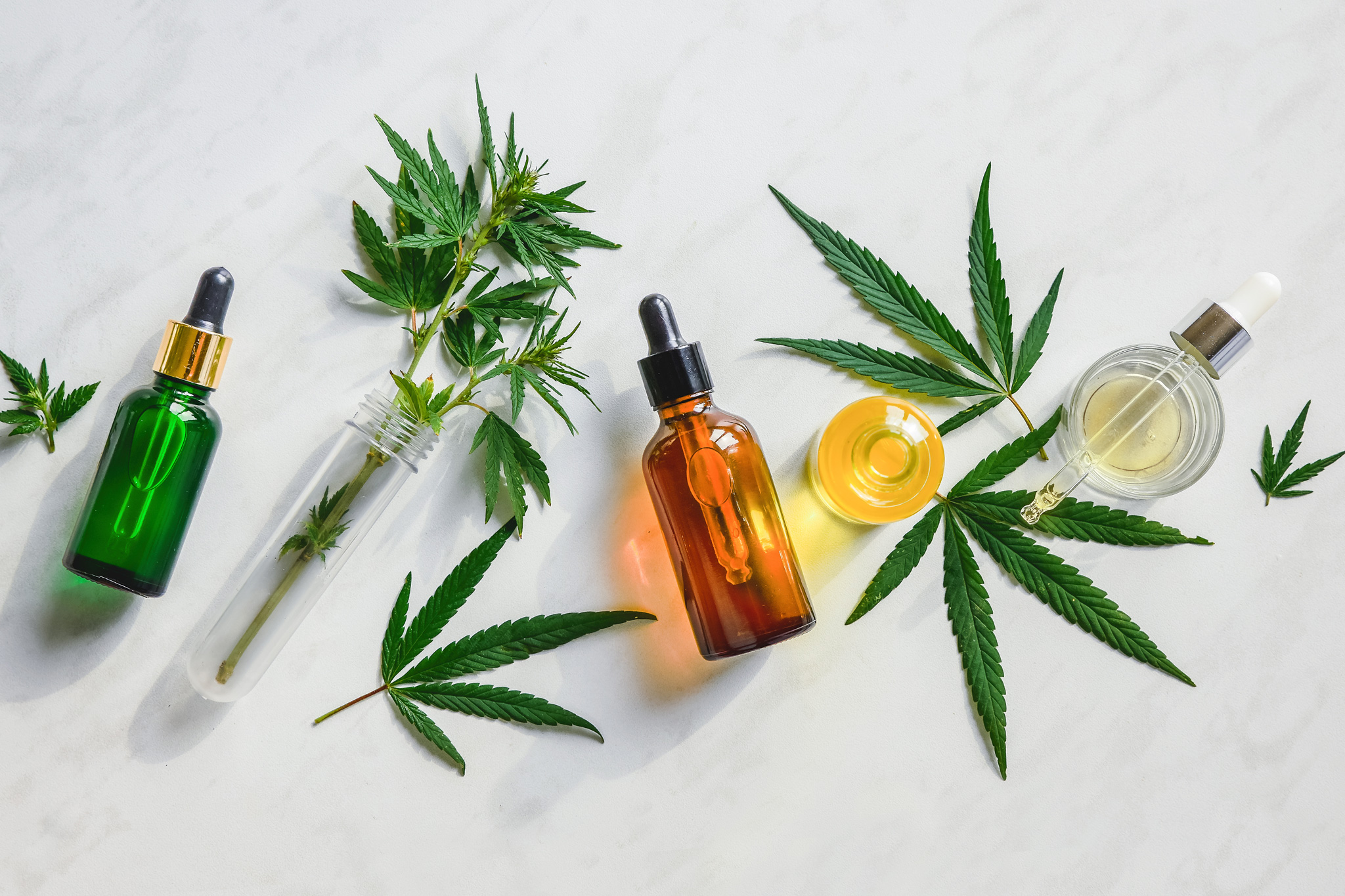
And for me, it looks like a daily full-spectrum CBD supplement — something I added not because of a dramatic moment of need, but because of cumulative, quiet evidence. It's not a miracle. It's more like a consistent, quiet support for inflammation and sleep quality — the kind of boring supplement that actually earns its spot. That category, "the boring supplement that actually earns its spot," is a very small and meaningful category. I don't expand it lightly.
Getting Older Is Not the Enemy
The cultural obsession with youth — the anti-aging industry, the "40 is the new 30" reassurances, the refusal to let time mean anything — is a kind of collective anxiety management that doesn't actually help anyone. The people who seem to age well, in my experience, are not the ones fighting hardest against the passage of time. They're the ones who've made a kind of peace with it — who invest in feeling genuinely good today rather than preserving the appearance of being twenty-nine.
Your back will twinge on a Tuesday. Your recovery will take longer than it used to. You will have opinions about sleep that you could not have predicted having.
You will also, if you're paying attention, know yourself better than you ever have. That turns out to matter quite a bit.
I'll take the trade.