The numbers are staggering. The global CBD market was valued at over $10 billion in 2025 and is on track to reach nearly $13 billion in 2026, with projections climbing toward $31 billion by 2033. The broader CBD consumer health market is projected to hit $84 billion by 2035.
Big industry. Lots of money. Lots of products.
And yet — walk into any gas station, grocery store, or wellness shop, and you'll find CBD products ranging from $12 to $120, with almost no way to tell at a glance which ones are legitimate, which ones are underdosed, and which ones are basically expensive sugar pills.
The market matured. The quality problem didn't. Here's why — and what you can do about it.
A Market This Big Should Have Solved This By Now
Every major consumer category that reaches tens of billions of dollars eventually develops quality signals that consumers can rely on. Organics got a USDA certification. Supplements got NSF testing. Wine has appellations, vintages, and critics who argue about terroir.
CBD has... labels. Often inaccurate ones.
The FDA has not established a regulatory framework for CBD as a dietary supplement. That means brands are largely operating on the honor system when it comes to labeling claims, dosage accuracy, and ingredient quality. Some honor that trust; many don't. A 2020 study found that the majority of CBD products tested didn't contain what their labels claimed — and the problem hasn't been fully corrected since.
The result is a market that looks mature from the outside but still has the buyer-beware energy of a farmers market with no food safety inspector.
Isolate vs. Broad-Spectrum vs. Full-Spectrum (And Why It Matters)
Before you can evaluate any CBD product, you need to understand what's actually in it. Most products fall into one of three categories:
- CBD Isolate is exactly what it sounds like: pure CBD, isolated from everything else. No other cannabinoids, no terpenes, no plant compounds. Cheapest to produce. Works for some applications, but you lose everything else the plant has to offer.
- Broad-Spectrum contains multiple cannabinoids and terpenes but has had THC removed or reduced to non-detectable levels. Good option if you're regularly drug-tested or have THC sensitivity, but the extraction process that removes THC can also reduce other beneficial compounds.
- Full-Spectrum preserves the whole plant's cannabinoid and terpene profile, including a legally compliant trace amount of THC (under 0.3%). This is where the entourage effect comes into play — the theory, backed by a growing body of research, that cannabinoids and terpenes work better together than in isolation. Think of it like the difference between a vitamin C pill and eating an actual orange.
What a COA Is — And Why It's the Most Important Thing in the Box
A Certificate of Analysis (COA) is a lab report from an accredited third-party laboratory that verifies what's actually in a CBD product. It's completely separate from the brand — an independent verification that says yes, this bottle contains what it claims.
A legitimate COA from an ISO/IEC 17025 accredited lab will show you:
- Cannabinoid profile: How much CBD is actually present, along with THC, CBG, CBN, and other cannabinoids. This is how you confirm the label.
- Heavy metals testing: Screening for arsenic, lead, cadmium, and mercury. Hemp is a bioaccumulator — it pulls things out of the soil, including toxins. You want results showing "ND" (Not Detected).
- Pesticide screening: A comprehensive check for agricultural chemicals. Every result should read "ND."
- Residual solvents: Tests for leftover extraction chemicals. Should be "ND" or within safe limits.
- Microbial contamination: Screening for bacteria, mold, yeast, and mycotoxins. Should show a clean "Pass."
If a brand can't show you a current COA — or shows one that's years old, or from a lab they run themselves — that's a disqualifying red flag.
5 Things to Check Before You Buy Any CBD Product
You don't need to become a biochemist. You just need a short checklist:
- Does it have a current, third-party COA? Not from the brand's own lab. From an independent, accredited facility. Dated within the last year, tied to the specific batch you're buying.
- Does the COA match what's on the label? If the bottle says 1,500mg and the COA shows 600mg — you've been misled. Pull the cannabinoid profile and compare the numbers.
- What's the extraction method? CO2 extraction is the gold standard — clean, solvent-free, gentle on the full cannabinoid and terpene profile. Cheaper methods involving harsh solvents are a yellow flag.
- Where was the hemp grown? Domestic hemp from regulated U.S. farms is your safest bet. Look for brands that can tell you exactly where their hemp comes from.
- Does the label claim match reality? If a product buries its CBD content in tiny print or lists it only as a "proprietary blend" — move on.
Why Cheap CBD Is Usually a Waste of Money
High-quality CBD costs real money to produce. Organic hemp cultivation, clean CO2 extraction, rigorous third-party testing, accurate labeling — none of that is free. A brand doing all of it is not going to sell you a full-spectrum tincture for $15.
The $12 CBD at the gas station probably contains isolate, probably at doses too low to matter, probably with a COA that either doesn't exist or wouldn't survive scrutiny. You might as well buy flavored MCT oil.
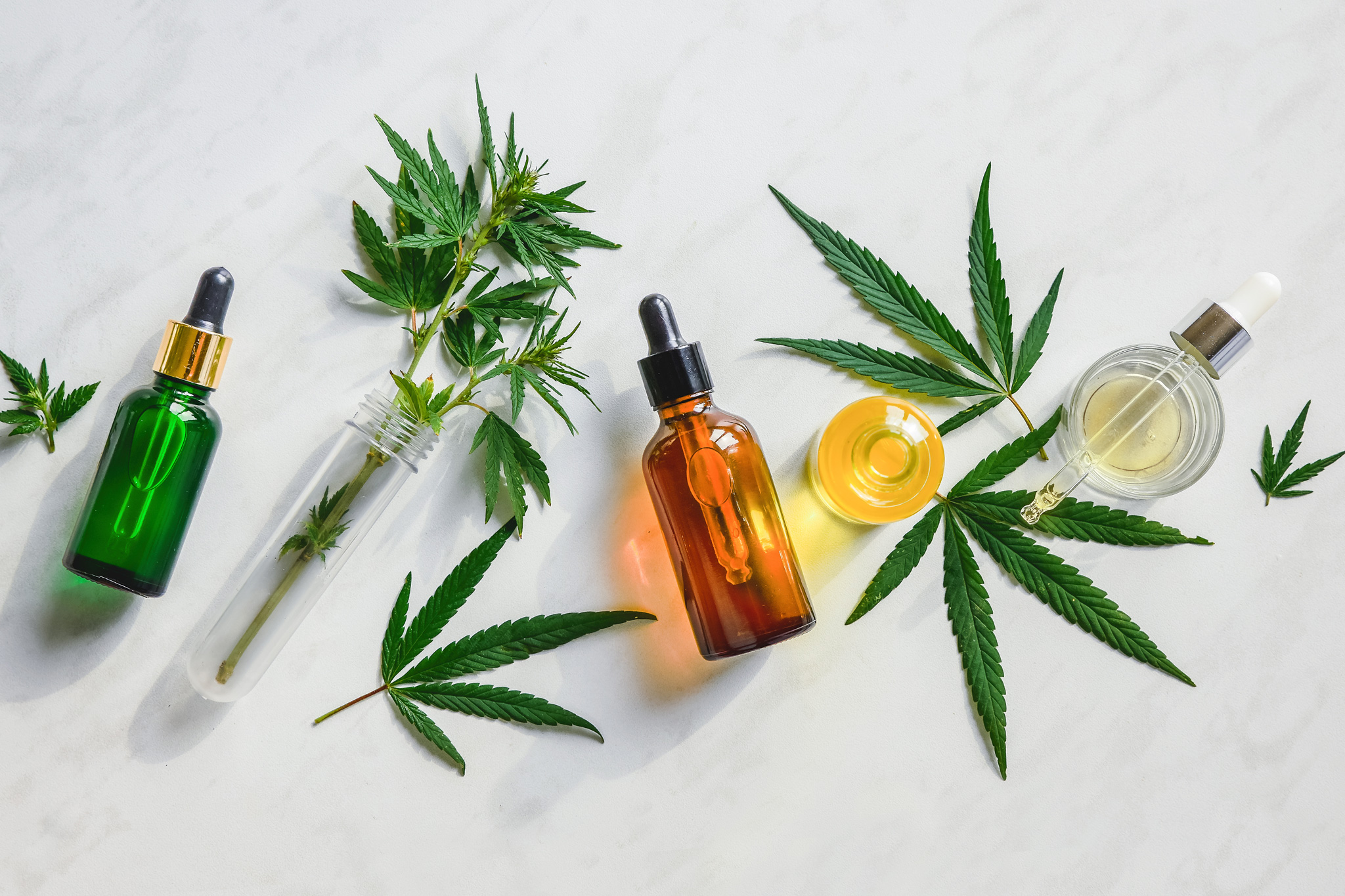
There's a reason reputable full-spectrum CBD products cost $40–80 for a quality tincture. You're paying for the testing, the sourcing, the actual CBD content, and the accountability of a brand that stands behind its product.
The Market Is Big. Your Options Are Bigger. Choose Carefully.
The good news is that as the market has grown, so has the number of genuinely excellent brands. Companies that do it right are out there — they're just harder to find than the noise would suggest.
Stick with certified organic, whole-plant, full-spectrum brands that publish current third-party COAs, are transparent about hemp sourcing, and have reputations worth protecting. They cost more. They're worth it.
Because the whole point is to actually feel better — and that only works if what's in the bottle is what it says it is.